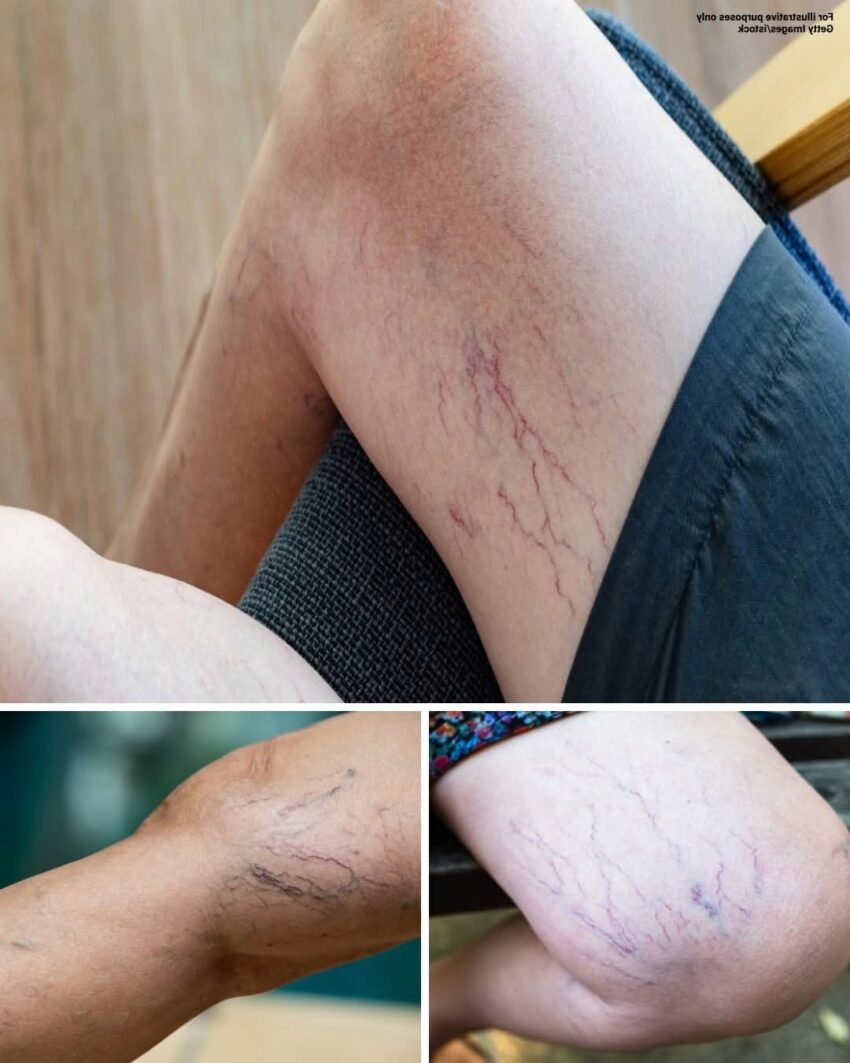
Purple veins on the legs are often a visible sign of underlying vein or circulatory issues, but the exact cause can vary. Here’s a detailed breakdown:
1. Varicose Veins
-
Appearance: Bulging, twisted veins that are dark purple or blue.
-
Cause: Weak or damaged vein valves lead to blood pooling instead of flowing toward the heart.
-
Symptoms: Aching, heaviness, swelling, itching, or cramping in the legs.
-
Risk Factors: Age, genetics, pregnancy, obesity, prolonged standing or sitting.
-
Note: Varicose veins are generally harmless but can become painful or lead to complications if untreated.
2. Spider Veins (Telangiectasia)
-
Appearance: Small, thin, purple, red, or blue veins near the surface of the skin, often in a web-like pattern.
-
Cause: Increased pressure in the veins, hormonal changes, sun exposure, or genetics.
-
Symptoms: Usually painless, mostly cosmetic concern.
-
Risk Factors: Similar to varicose veins—heredity, pregnancy, and age.
3. Deep Vein Issues
-
Deep Vein Thrombosis (DVT): Blood clots in deeper veins can sometimes cause visible discoloration, swelling, or tenderness.
-
Symptoms: Pain, warmth, swelling, and sometimes purple or bluish skin.
-
Warning: This is a medical emergency, as clots can travel to the lungs (pulmonary embolism).
4. Other Possible Causes
-
Poor circulation: Peripheral vascular disease can reduce blood flow, leading to purplish discoloration.
-
Skin conditions: Bruising, eczema, or trauma can make veins appear darker.
-
Medication or lifestyle factors: Blood thinners, prolonged standing, or obesity may contribute.
5. When to See a Doctor
Seek medical advice if you notice:
-
Sudden swelling or pain in one leg
-
Veins that are rapidly enlarging or tender
-
Skin ulcers or discoloration around the veins
-
Signs of infection (redness, warmth, fever)
6. Management & Prevention
-
Lifestyle: Exercise, weight management, leg elevation, and avoiding long periods of sitting or standing.
-
Compression stockings: Help improve blood flow.
-
Medical treatments: Sclerotherapy, laser therapy, or vein surgery for severe cases.
In short, purple veins are often due to varicose or spider veins caused by poor circulation or weak vein valves, but in some cases, they can indicate more serious conditions like DVT.
If you want, I can also explain why the veins look purple specifically and what’s happening inside them at the blood level—it’s quite fascinating. Do you want me to go into that?