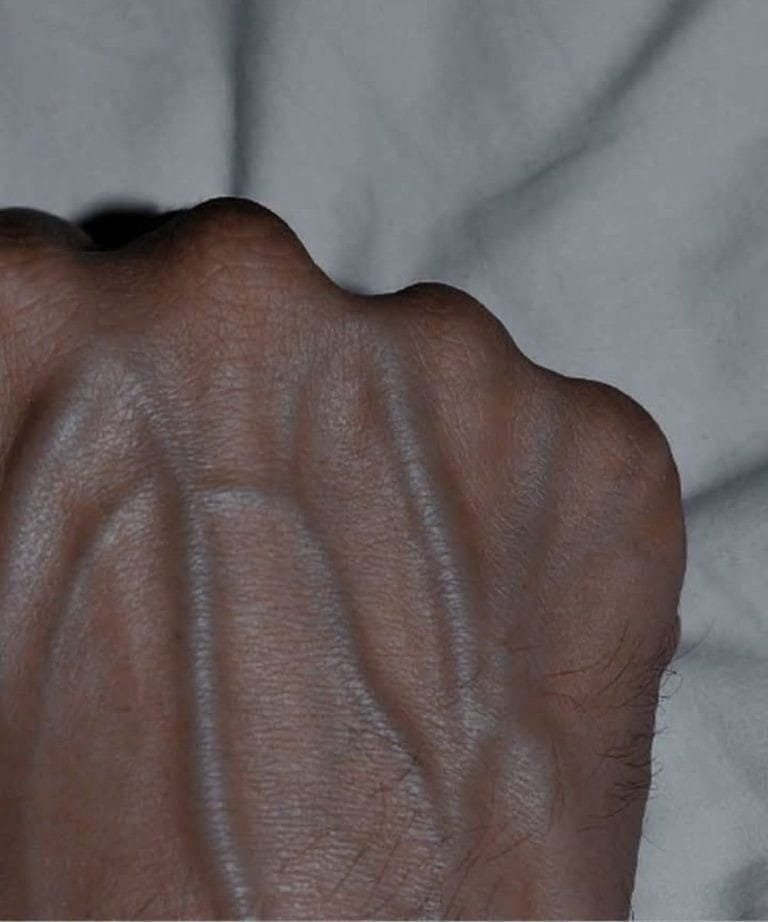
Absolutely! Let’s dive deeply into visible veins, what they signify, and why you might see them. I’ll break it down systematically.
1. Understanding Veins
Veins are blood vessels that carry blood back to the heart. They contain valves that prevent blood from flowing backward. Normally, veins are not very noticeable because they are beneath the skin and surrounded by fat and tissue.
When veins become more visible, it could be due to a variety of factors—some normal, some pathological.
2. Common Reasons Veins Become Visible
A. Normal Physiological Causes
-
Thin or fair skin
-
People with lighter or thinner skin naturally have more visible veins, especially on hands, wrists, feet, and forearms.
-
-
Low body fat
-
Fat under the skin can obscure veins. Less subcutaneous fat makes veins pop out.
-
-
Exercise
-
During or after physical activity, veins expand (a process called vasodilation) to accommodate increased blood flow.
-
-
Heat exposure
-
Hot temperatures cause veins to expand, making them more prominent.
-
-
Aging
-
Skin thins and loses elasticity with age, which can make veins more noticeable, particularly on the hands and arms.
-
B. Hormonal and Genetic Factors
-
Genetics
-
Some people simply inherit more visible veins.
-
-
Hormones
-
Pregnancy, birth control, or hormone therapy can make veins more prominent due to increased blood volume and vessel dilation.
-
C. Medical Causes
-
Varicose veins
-
Enlarged, twisted veins often appearing in the legs. Caused by weakened vein valves and poor circulation.
-
Symptoms: aching, heaviness, swelling, or skin changes.
-
-
Venous insufficiency
-
Veins have trouble returning blood to the heart. Can lead to swelling, pain, or skin ulcers in severe cases.
-
-
Blood clots (less common)
-
A clot in a deep vein (DVT) can cause visible swelling, redness, and pain in the affected area.
-
-
Phlebitis
-
Inflammation of a vein, sometimes with redness, warmth, or tenderness.
-
-
Other conditions
-
Conditions affecting circulation, heart, or liver can sometimes cause prominent veins.
-
D. Temporary Causes
-
Straining (lifting heavy objects) can temporarily make veins bulge.
-
Dehydration can reduce blood volume, making superficial veins more prominent.
-
Fever or inflammation can cause veins to stand out.
3. Where Veins Are Most Noticeable
-
Hands and wrists – Common in thin or muscular individuals.
-
Forearms – Especially in people who exercise.
-
Feet and legs – More visible in varicose vein cases or in standing positions.
-
Chest or shoulders – Usually due to exercise or increased blood flow.
4. When to Be Concerned
Seek medical attention if visible veins are accompanied by:
-
Pain, swelling, or redness
-
Heat or tenderness along the vein
-
Sudden appearance of bulging veins in one leg
-
Skin discoloration or ulcers near veins
These can indicate venous insufficiency, blood clots, or other vascular conditions.
5. Prevention & Management
-
Exercise regularly to improve circulation
-
Elevate legs when resting
-
Avoid prolonged standing or sitting
-
Compression stockings for varicose veins
-
Maintain healthy weight and hydration
-
Consult a doctor for persistent or painful vein changes
In short: Visible veins are often harmless, especially if you’re thin, athletic, or aging. However, sudden changes, swelling, or pain should be evaluated by a doctor.
If you want, I can also make a diagram showing why veins become visible and where it’s normal vs concerning, which makes it super easy to understand at a glance. Do you want me to do that?