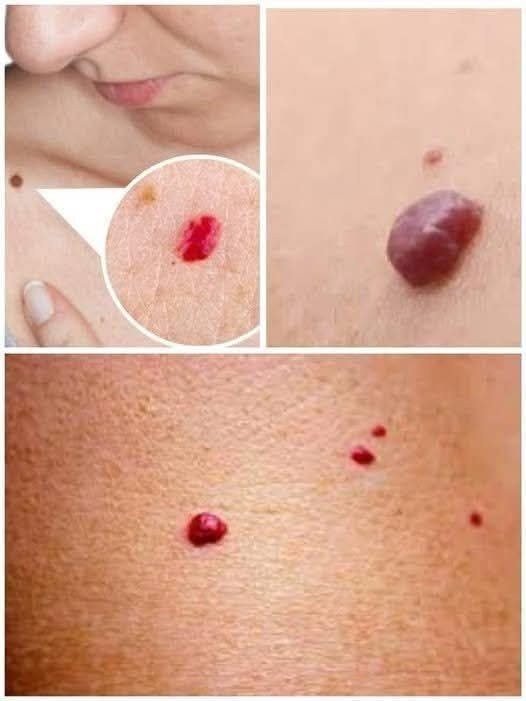
Red dots on the skin can have many different causes, and they don’t always indicate the same thing. There isn’t a single “clear sign” diagnosis without context, so it’s important to consider location, size, symptoms, and overall health. Here’s a detailed breakdown:
1. Common Causes of Red Dots
-
Petechiae
-
Tiny red or purple spots (1–2 mm) caused by bleeding under the skin.
-
Often appear in clusters.
-
Can be due to:
-
Trauma or pressure (like scratching or tight clothing)
-
Certain infections (e.g., viral or bacterial)
-
Blood disorders or low platelets
-
-
Important: If they appear suddenly and spread, seek medical attention.
-
-
Allergic Reactions
-
Red dots may appear as part of a rash.
-
Often itchy and may be accompanied by hives.
-
Triggered by foods, medications, or contact with irritants.
-
-
Insect Bites
-
Red dots may be itchy and raised.
-
Often clustered in small areas.
-
Sometimes with a tiny puncture mark in the center.
-
-
Skin Conditions
-
Keratosis pilaris: small red bumps, usually on upper arms or thighs.
-
Eczema or psoriasis: red, inflamed patches that can have small red dots.
-
-
Heat or Sweat Rash
-
Small red bumps on areas prone to sweating.
-
Can be itchy or prickly.
-
-
Underlying Illness
-
Certain infections (like measles, chickenpox, or meningococcal infection) can cause red spots.
-
Some autoimmune conditions and blood disorders can also present with red dots.
-
Red Flags That Require Immediate Medical Attention
-
Rapid appearance of many red or purple dots.
-
Spots that don’t blanch (turn white) when pressed.
-
Accompanied by fever, fatigue, or unexplained bruising.
-
Bleeding from other areas (gums, nose, urine).
Bottom Line
Red dots on the skin are not always a single disease—they can range from minor irritations to serious medical conditions. The pattern, size, location, and symptoms help determine the cause.
If you want, I can make a detailed chart showing all common red-dot patterns and what they usually mean. That way, you can visually check which ones are more concerning.