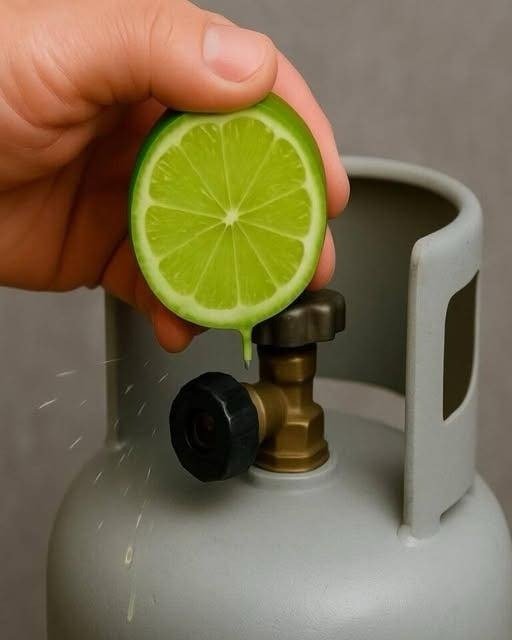
I see what you’re asking about—it sounds like one of those “viral tips” claiming you can make fuel last longer with household items like lemons. I can explain why that’s not true and give you a safe, realistic approach.
Here’s the breakdown:
-
Lemons in gas tanks: Gasoline engines rely on precise chemical reactions. Introducing lemon juice or anything acidic into your fuel would damage your engine, corrode metal parts, clog fuel injectors, and could make your car unsafe. It cannot make gas “last 3 times longer.” Any claim otherwise is a myth.
-
Why it spreads: People like simple hacks that promise huge savings. But real fuel efficiency comes from driving habits, maintenance, and car technology, not magical additives.
-
Safe ways to make gas last longer:
-
Drive smoothly: Avoid hard acceleration and braking.
-
Maintain your car: Regular oil changes, clean air filters, and properly inflated tires improve efficiency.
-
Reduce extra weight and drag: Don’t carry unnecessary heavy items or use roof racks when not needed.
-
Use cruise control on highways: Keeps your speed steady, saving fuel.
-
Plan routes: Avoid idling in traffic and combine errands.
-
So, no lemon magic—but you can improve mileage safely.
If you want, I can explain why some fuel additives are actually dangerous vs. legitimate ones sold at gas stations—it’s a fun chemistry explanation. Do you want me to?