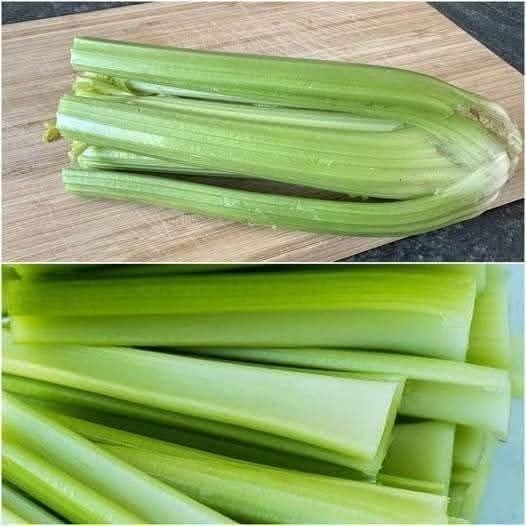
Absolutely! Let’s break it down carefully. Celery is more than just a crunchy snack—it has several health benefits and is easy to include in your diet.
Health Benefits of Celery
-
Low in Calories, High in Nutrients
-
One large stalk has about 10 calories.
-
Provides vitamin K, vitamin C, potassium, folate, and small amounts of fiber.
-
-
Supports Digestion
-
Contains fiber that helps keep your digestive system regular.
-
High water content helps prevent dehydration, which also aids digestion.
-
-
Anti-Inflammatory Properties
-
Contains antioxidants like flavonoids that may help reduce inflammation in the body.
-
-
Heart Health
-
Fiber and potassium in celery support healthy blood pressure.
-
Some studies suggest celery compounds may help lower cholesterol slightly.
-
-
Hydration
-
Celery is over 90% water, so it helps with hydration and maintaining electrolyte balance.
-
-
Potential Blood Sugar Support
-
Fiber slows sugar absorption, which can help maintain more stable blood sugar levels.
-
How to Use Celery
-
Raw as a Snack
-
Wash, cut into sticks, and eat with hummus, peanut butter, or yogurt dip.
-
-
Juices and Smoothies
-
Blend with apples, cucumber, or carrots for a refreshing drink.
-
-
In Salads
-
Chop celery into salads for crunch and extra nutrients.
-
-
Cooked Dishes
-
Use in soups, stews, or stir-fries. Light cooking preserves most nutrients.
-
-
Seasoning
-
Celery seeds or celery salt can be added to dishes for flavor and health benefits.
-
Tip: Celery is great on its own, but combining it with healthy fats (like peanut butter) or vitamin C–rich foods (like bell peppers) can help your body absorb its nutrients better.
If you want, I can make a list of 5 easy daily ways to include celery in your diet that taste amazing, not just “healthy.”
Do you want me to do that?