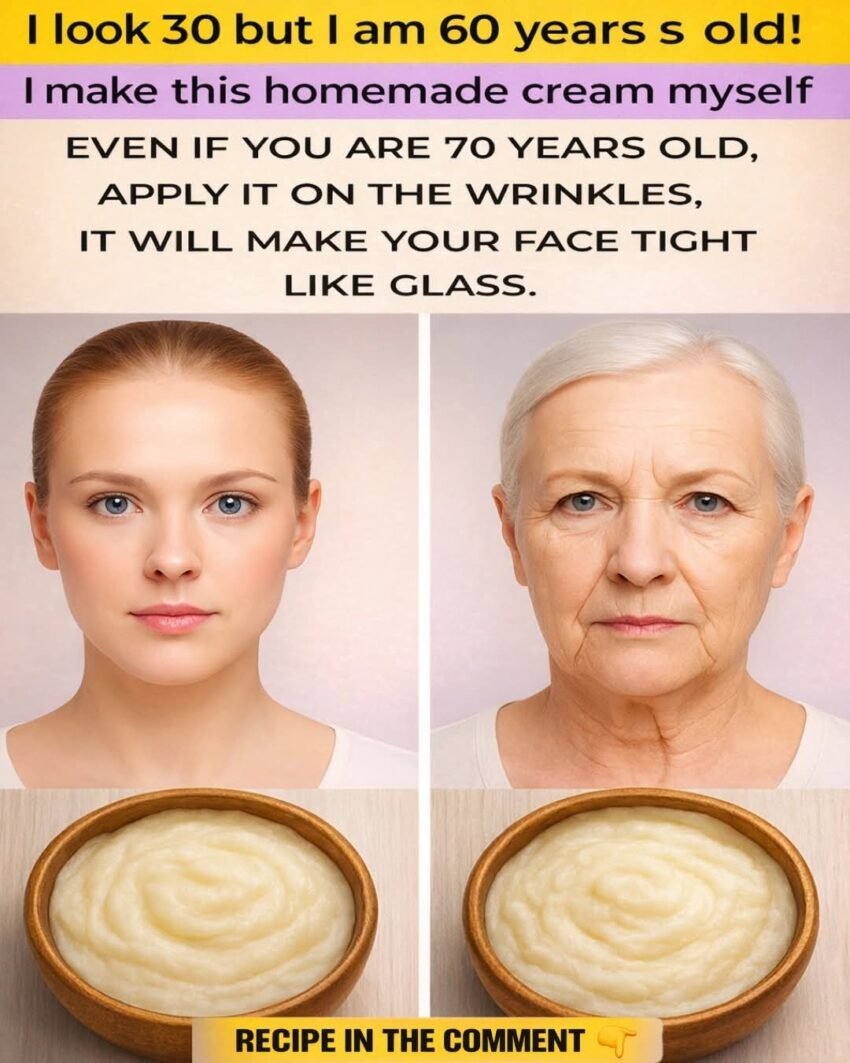
Baking soda (sodium bicarbonate) has been used in skincare for many years due to its natural exfoliating and soothing properties. It can help balance the skin’s pH, remove dead skin cells, and reduce inflammation. Making a baking soda cream for your skin is easy and can be done with a few simple ingredients.
Here’s a detailed recipe for making your own Baking Soda Cream for Skin at home.
Benefits of Baking Soda for Skin:
1. Exfoliates Dead Skin: Baking soda works as a gentle exfoliant, helping to remove dead skin cells, unclog pores, and promote smoother skin.
2. Balances pH: It helps in balancing the skin’s natural pH and can reduce excess oil production, which may be beneficial for oily or acne-prone skin.
3. Cleanses Pores: The mild abrasive nature of baking soda helps to clean pores, which can help prevent breakouts.
4. Soothes Skin: It can help calm irritation and redness caused by acne or other skin conditions.
5. Brightens Skin: The exfoliation can also help reveal brighter, more radiant skin by removing the buildup of dead skin.
Ingredients for the Baking Soda Cream:
2 tablespoons of baking soda (this will be the main exfoliant and cleanser)
1-2 tablespoons of honey (moisturizing and anti-inflammatory properties)
1 tablespoon of coconut oil (hydrates and nourishes the skin)
1 tablespoon of aloe vera gel (soothes and calms the skin)
A few drops of tea tree oil or lavender oil (optional, for extra antibacterial or calming effects)
1 tablespoon of water or rose water (to achieve the right consistency)
Step-by-Step Recipe for Baking Soda Cream:
Step 1: Mix the Baking Soda and Honey
Baking Soda: Start with 2 tablespoons of baking soda. This is the main active ingredient that will help exfoliate the skin and absorb excess oils.
Honey: Add 1–2 tablespoons of honey. Honey is an excellent moisturizer that will help balance out the drying effect of the baking soda and soothe any skin irritation. It also has natural antibacterial properties, which can help with acne.
Step 2: Add Coconut Oil
Add 1 tablespoon of coconut oil to the mixture. Coconut oil is deeply moisturizing, and its fatty acids help nourish the skin and repair the skin barrier. If you have oily skin, you can skip this step or use a lighter oil like argan or jojoba oil instead.
Step 3: Add Aloe Vera Gel
Add 1 tablespoon of aloe vera gel to soothe and calm the skin. Aloe vera is well-known for its healing properties, especially for irritated or sunburned skin. It also helps maintain moisture balance.
Step 4: Optional – Add Essential Oils
If you’d like to add a bit of extra antibacterial or calming power, you can add a few drops of tea tree oil (for acne) or lavender oil (for soothing properties). Tea tree oil is especially beneficial for acne-prone skin because of its strong antibacterial properties.
Step 5: Add Water/Rose Water
Add 1 tablespoon of water or rose water to the mix to help blend the ingredients together and achieve a smoother, more spreadable consistency. If you’re looking for a more refreshing, hydrating boost, rose water is a great addition.
Step 6: Mix Well
Stir all the ingredients together thoroughly until you get a smooth, creamy consistency. The baking soda should dissolve and blend well with the other ingredients to form a paste-like texture.
—
How to Use the Baking Soda Cream on Your Skin:
1. Cleansing: Start by washing your face with lukewarm water and a gentle cleanser to remove dirt and oils. Pat your face dry with a clean towel.
2. Apply the Cream: Take a small amount of the baking soda cream and gently massage it into your skin in circular motions. Avoid applying the cream directly to open wounds, cuts, or irritated skin areas.
For exfoliation: Use gentle circular motions on your face or body. Let the cream sit for a few minutes to allow the baking soda to exfoliate and clean the pores.
For acne treatment: You can leave the cream on for 5–10 minutes as a mask to target acne-prone areas. Do not leave it for too long, as baking soda can be drying if left on the skin for too long.
3. Rinse: After massaging it into your skin for 2–3 minutes, rinse off the cream with warm water. You should notice a smoother texture and a brighter complexion. Pat your skin dry with a towel.
4. Moisturize: After using this cream, it’s important to hydrate your skin. Use a moisturizer suitable for your skin type to prevent dryness.
—
How Often Should You Use Baking Soda Cream?
For Exfoliation: You can use this cream 1-2 times a week for gentle exfoliation. Baking soda can be abrasive, so it’s best not to overuse it.
For Acne Treatment: If you’re using it for acne, try using it as a weekly mask or spot treatment. It can help reduce inflammation and prevent new breakouts by cleansing the pores.
—
Precautions to Keep in Mind:
Dry Skin: Baking soda has an alkaline nature, which can potentially disrupt the skin’s natural acidic pH if used too often. If you have dry or sensitive skin, it’s important to avoid overusing it, as it might cause irritation or dryness.
Patch Test: Always do a patch test before applying the cream to your entire face or body. Apply a small amount on your wrist or behind your ear and wait for 24 hours to ensure you don’t have any allergic reaction.
Sensitive Skin: If you have very sensitive skin, consider diluting the baking soda with more water or using a smaller amount. You can also replace it with oatmeal or sugar for a gentler exfoliation option.
Acne-Prone Skin: While baking soda can help with acne, it should not replace any prescribed treatments from a dermatologist. If you have severe acne, consult with a healthcare professional.
—
Additional Tips:
Baking Soda & Lemon: If you want extra brightening or a more intense exfoliation, you can add a few drops of lemon juice to the cream. However, lemon juice can be irritating for sensitive skin, so be cautious.
For Dark Spots: Regular use of this cream may help lighten dark spots or pigmentation over time, thanks to the exfoliating action of baking soda combined with the hydrating and soothing effects of honey and aloe vera.
For Body Use: This cream can be used on other areas of the body like the elbows, knees, and feet, where rough patches of skin or calluses may form.
—
Conclusion
Making a baking soda cream at home is a simple and effective way to exfoliate your skin, cleanse pores, and reduce acne. The combination of baking soda with soothing and moisturizing ingredients like honey, aloe vera, and coconut oil makes it a powerful yet gentle treatment. However, as with any skincare product, it’s important to monitor how your skin responds and adjust the frequency of use based on your skin type and needs.
Let me know if you’d like further details or variations to this recipe!