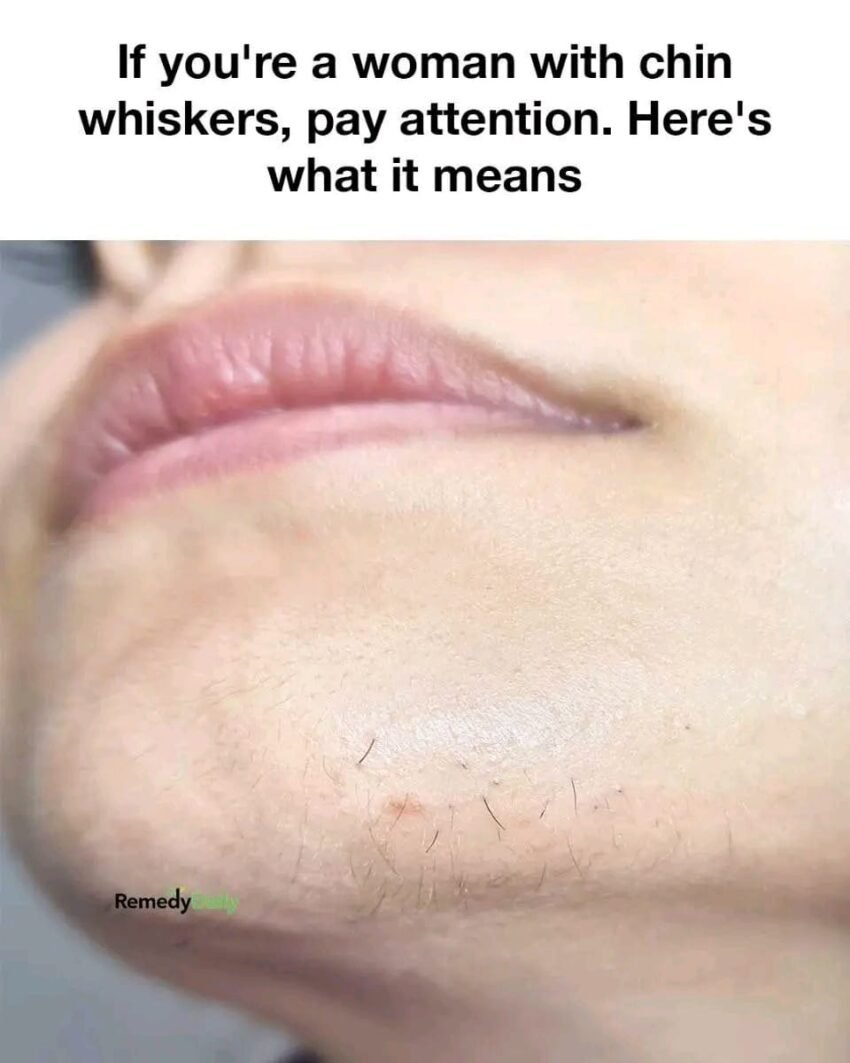
Absolutely! Your chin whiskers—or facial hair in general—can sometimes give subtle clues about your health because hair growth patterns are influenced by hormones, nutrition, and overall body health. Let’s break it down in detail:
1. Hormonal Health
-
Androgens (testosterone and DHT):
Chin hair growth is strongly influenced by androgens, especially dihydrotestosterone (DHT).-
Sparse or patchy growth: Might indicate low androgen levels, which could be linked to thyroid issues, low testosterone, or other hormonal imbalances.
-
Excessive growth (hirsutism in women): Could point to high androgen levels, possibly from conditions like PCOS (polycystic ovary syndrome) or adrenal gland disorders.
-
-
Thyroid Hormones:
Both hyperthyroidism and hypothyroidism can affect facial hair:-
Hypothyroidism: Hair may become sparse, brittle, and slow-growing.
-
Hyperthyroidism: Hair may thin or fall out in patches.
-
2. Nutritional Status
Hair growth is very sensitive to nutrition because hair follicles require certain vitamins and minerals.
-
Protein deficiency: Hair may grow slower or be weak and thin.
-
Iron deficiency (anemia): Can lead to hair thinning or loss, including chin hair.
-
Zinc deficiency: Can cause patchy hair loss.
-
Vitamin B deficiencies (especially B7 – biotin, B12, folate): Can lead to weak or brittle whiskers.
3. Age and Genetics
-
Age: Facial hair tends to thicken after puberty due to increased testosterone. In older age, hair may thin naturally.
-
Genetics: A patchy beard may be completely normal and inherited. Some people naturally have chin whiskers that grow slower or sparsely.
4. Signs of Stress or Illness
-
Sudden patchy hair loss (alopecia areata): Could be autoimmune.
-
Chronic stress: Can affect hormone balance, slowing hair growth.
-
Skin conditions: Fungal infections, eczema, or psoriasis around the chin can affect hair growth.
5. Lifestyle Factors
-
Smoking: Can reduce circulation and contribute to weaker, slower-growing hair.
-
Sleep deprivation: Affects hormone levels and hair growth.
-
Excessive dieting or malnutrition: Can lead to sparse, brittle whiskers.
6. Patterns That Can Give Clues
-
Patchy growth on the chin: Might suggest thyroid or nutritional deficiencies.
-
Whiskers growing in unusual directions: Can indicate localized skin or follicle issues.
-
Slow growth rate over months: Often points to hormonal or nutritional issues rather than genetics.
In short:
Your chin whiskers are like a mirror of your hormonal, nutritional, and overall health. Sparse or weak whiskers often indicate low androgens, thyroid issues, or nutrient deficiencies, while excessive growth may signal high androgen levels. Sudden changes in pattern or thickness are usually worth checking with a healthcare provider.
If you want, I can make a detailed “chin hair health map” that shows what different patterns of growth or thinning can indicate about your health. It’s surprisingly visual and helpful.
Do you want me to do that?